Waste disposal law for Putney moves: licensed carrier rules
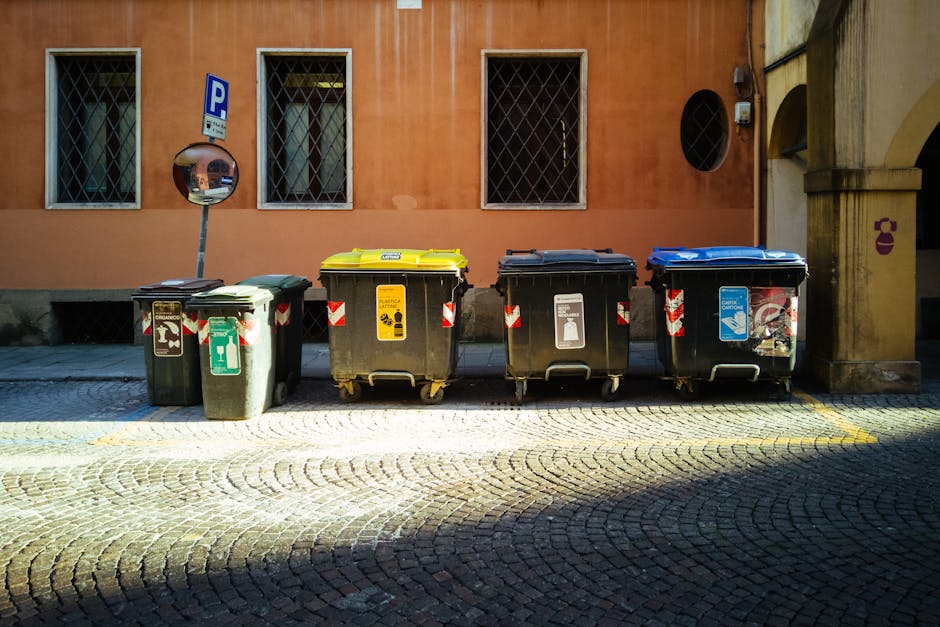
If you are moving in Putney, waste disposal is one of those details that can look minor right up until it becomes a problem. Old furniture, broken appliances, packaging, garden waste, and "we'll deal with it later" piles have a habit of turning into fines, delays, or awkward questions about who actually took the rubbish away. The good news is that waste disposal law for Putney moves: licensed carrier rules is straightforward once you understand the basics: use a legitimate waste carrier, keep a paper trail, and do not assume a van driver can legally take anything just because they offered to.
This guide breaks the topic down in plain English. You will learn how licensed carrier rules work, why they matter during a move, what to check before anything leaves your property, and how to stay on the right side of the law without making your moving day harder than it needs to be. A lot of this is common sense, to be fair, but in removals common sense is exactly where people get caught out.
Why Waste disposal law for Putney moves: licensed carrier rules Matters
Moving house or flat in Putney is busy enough without adding legal risk. Waste disposal law exists to make sure rubbish is handled responsibly, transferred by the right people, and not dumped somewhere it should not be. In practical terms, that means if your mover is taking away unwanted items, they need to be authorised to transport waste, not just able to fit it in a van.
The issue matters because the liability can follow the person who arranged the collection, not only the person who physically carried the load away. If waste is fly-tipped or traced back to your move, you do not want to be the one trying to explain that you "thought it was all included." That conversation gets old very quickly. And frankly, it is avoidable.
Putney moves often involve mixed loads: a sofa that will not fit in the new place, cardboard from packing, a washing machine with a dodgy seal, or bits of old shelving. The more varied the waste, the more important it is to know who is handling it. If you are already planning a move with local removals support in Putney, this is one of the things worth asking about early, not after the van has arrived.
Key takeaway: if someone takes away your waste as part of a move, make sure they are a licensed waste carrier and that you keep evidence of what was collected. That one habit prevents a surprising amount of stress.
There is also a reputational side. Landlords, managing agents, and building staff in SW15 are not keen on waste left in communal areas, and nor are neighbours who have already had a long day listening to trolleys on stairs and doors banging at the end of the corridor. A tidy, lawful disposal process keeps the whole move smoother.
How Waste disposal law for Putney moves: licensed carrier rules Works
The basic idea is simple: waste must be transported by someone who is legally allowed to do it, and it must end up somewhere lawful. In the UK, a business that carries waste for another person usually needs to be registered as a waste carrier, broker, or dealer. For most home moves, the relevant part is waste carrier registration.
A licensed carrier is not the same as a general transport operator. A van, a driver, and a willingness to help do not automatically make a business compliant. The carrier should be able to show they are registered, and they should handle disposal through proper channels. If they cannot explain where the waste will go, that is usually a clue. Not always, but often enough.
In a Putney move, this can apply to:
- old mattresses, sofas, and wardrobes
- broken small appliances and white goods
- cardboard, wrapping, and packing debris
- mixed household junk cleared before or after moving day
- office clutter during a commercial relocation
The carrier may be the removals company itself, or they may work alongside a separate waste partner. Either way, the important thing is that the disposal leg of the job is lawful. If you are comparing move options, it helps to review the broader removal services overview so you can see where transport ends and waste handling begins.
There is another practical point here. Some items are not just "rubbish." They may require separate handling because of weight, contamination, or local restrictions. A fridge with gas components, for example, is not the same as a bundle of cardboard. A sensible mover will separate those items and tell you what they can take. That's the sort of detail that sounds dull until it saves you a headache.
What a compliant collection usually includes
A proper waste collection usually includes a clear description of what was taken, who took it, and roughly how it was disposed of. You may not get a giant bundle of paperwork, but you should get enough evidence to show the handover was legitimate. If it is a one-off clear-out, keep a note of the date, the company name, and any written confirmation.
What should make you pause
- cash-only offers with no paperwork
- vague promises like "we'll sort it somewhere"
- drivers who refuse to say whether they are licensed
- surprisingly cheap clearance offers that feel too good to be true
- pressure to hand over waste without any receipt or record
That last one matters more than people think. If someone is reluctant to document a collection, you should be reluctant too.
Key Benefits and Practical Advantages
Using a licensed carrier is not just about avoiding trouble. It also makes the move cleaner in a practical sense. The benefits show up in small ways on the day, when timing matters and no one wants to stop and argue over a pile of broken furniture by the front door.
- Lower legal risk: you reduce the chance of being linked to illegal dumping or improper disposal.
- Better organisation: waste is sorted separately from the items you are actually moving.
- Cleaner handover: the property is left in better shape for landlords, buyers, or managing agents.
- Less stress: you know who took what, and there is a record if needed.
- More professional service: compliance usually goes hand in hand with better overall standards.
There is also the obvious environmental angle. A proper carrier is more likely to sort reusable items, recyclable materials, and general waste responsibly. If sustainability matters to you, that is worth asking about, especially if your move is part of a bigger declutter. You may find our recycling and sustainability approach useful when you are deciding what should be kept, donated, or cleared away.
And let's be honest: there is a very satisfying feeling in seeing a room go from chaotic to cleared in one sweep. The sound of tape being ripped off boxes, the smell of old dust finally gone, the van door closing on a job done properly. Small victory, but a real one.
Who This Is For and When It Makes Sense
This topic matters for more people than you might expect. It is not only for landlords or builders, and it is not only for people doing a full house clearance. If anything, small moves are where people most often make assumptions.
You should pay close attention to licensed carrier rules if you are:
- moving out of a flat and getting rid of bulky items at the same time
- replacing furniture before or after completion day
- clearing a student room or shared property
- emptying an office, studio, or small commercial unit
- moving into Putney and discovering the previous owner left unwanted junk behind
- using a man and van style service that may also take waste away
It also makes sense if you are working to a tight schedule. A lot of Putney moves happen around parking windows, building access times, and lift bookings. In that context, separating removal transport from waste disposal can save time. If you know in advance that some items are leaving for disposal, you can plan it rather than improvising with a growing pile in the hallway.
For example, if you are moving from a top-floor flat, it may be smarter to have unwanted furniture cleared first, then move only the items you are keeping. That reduces lifting, reduces clutter, and makes the route through the building simpler. If stairs and tight corners are part of your day, there is useful related guidance in this Putney estates access guide.
Step-by-Step Guidance
Here is the cleanest way to handle waste during a Putney move without making the process awkward or risky.
- List the items you want removed. Separate keep, move, recycle, donate, and dispose. Do this before the van arrives if you can.
- Ask whether the carrier is licensed. Do not assume. A quick check is better than a problem later.
- Confirm what they will take. Some carriers accept mixed household waste; others exclude electricals, liquids, or hazardous items.
- Ask how disposal will be handled. You do not need a lecture, just a plain answer about lawful transfer and disposal routes.
- Get the price and scope in writing. If waste removal is bundled into the moving quote, make sure it is clearly separated from the moving charge.
- Keep records. Save the quote, any receipt, and any message confirming what was collected.
- Check the property afterward. Make sure nothing is left behind in a communal area, stairwell, garden, or driveway.
That sequence sounds simple because it is simple. The trick is doing it before moving day gets noisy and rushed. Once the boxes are stacked, the kettle is missing, and someone is asking where the tape dispenser went, admin gets less appealing. A bit of prep now is worth a lot later.
A sensible rule of thumb
If an item has value, donate or sell it where possible. If it is broken, contaminated, or unsafe, it should go through a proper waste route. If you are not sure which category something sits in, treat it cautiously and ask the carrier before collection.
Expert Tips for Better Results
A few small habits make a surprisingly big difference.
- Separate waste before moving day. A neat pile is easier to assess than a mixed mess in the hallway.
- Label what is not staying. "Dispose," "recycle," and "move" are enough.
- Take photos of bulky items. Helpful if there is any later confusion about what was collected.
- Ask about loading order. Waste should not block access to the items being moved.
- Be careful with sharps, chemicals, and anything leaking. These need extra caution and may need special handling.
- Do not leave bags in communal areas. Even for an hour or two, that can create building issues.
If your mover also offers clearance, ask how they separate reusable items from scrap. A careful operator will have a process. Maybe not glamorous, but process matters. A lot.
In our experience, the most reliable jobs are the ones where the customer says, "These three chairs can go, that table is staying, and the broken lamp is waste." Clear instructions save everyone time. Ambiguity is where mistakes breed.
Common Mistakes to Avoid
Most compliance problems during a move come from a few predictable mistakes. None of them are dramatic on their own, but together they can create a very avoidable mess.
- Assuming the mover is licensed. Never rely on the van, the branding, or the tone of the salesperson.
- Mixing waste and belongings. Once items are lumped together, it is harder to prove what was meant for disposal.
- Not getting a receipt. Without proof, you have a weak paper trail.
- Leaving waste outside the property. Even "temporary" piles can become a nuisance or attract complaints.
- Using the cheapest option without checking details. Bargain clearance can be expensive if it turns into the wrong kind of problem.
- Forgetting building rules. Some Putney blocks and estates have access rules that affect where vehicles can stop and where waste can be loaded.
Another quiet mistake is ignoring removal quotes that hide extras. If waste removal is bundled into a move, you want clarity on what is and is not included. The article on hidden removal fees in Putney is worth a look if you want to spot vague pricing before it becomes a dispute.
And one more, because it comes up a lot: people sometimes leave old items behind "just in case" the buyer wants them. Unless that has been agreed, don't. It is messy, and not in the charming way.
Tools, Resources and Recommendations
You do not need a stack of specialist tools to stay compliant. What you do need is a decent system and a few simple checks.
Useful things to keep to hand
- a written inventory of waste and unwanted items
- photos of bulky or valuable items before disposal
- a copy of the quote or job confirmation
- a note of the carrier's business name and collection date
- contact details for the mover if you need to clarify anything later
Practical recommendations
If the move includes heavy furniture you no longer want, consider whether it is better dealt with alongside the move or in a separate clearance slot. For larger pieces, a dedicated furniture removal service in Putney may be the cleaner option, especially if you want items handled carefully and not rushed into the back of a van.
If you are moving from a flat, or into one, access constraints matter too. Lift bookings, stairwells, and parking restrictions can all affect how waste is collected. In these cases, a more organised move often works better than trying to do everything at once. You can also look at flat removal support in Putney if your move is happening in a building with tighter logistics.
And if you are unsure about the broader removal process, it helps to start with a simple overview of the company's scope. The removal services page is a sensible place to see whether clearance, moving, and specialist handling are all covered.
Law, Compliance, Standards, or Best Practice
Without getting too legalistic, the main principle is this: waste should be transferred and disposed of responsibly, and the business handling it should be properly authorised where required. In the UK, that usually means checking whether the carrier is registered to carry waste and making sure the waste does not end up fly-tipped or dumped unlawfully.
Best practice in Putney moves generally includes the following:
- using a registered waste carrier for any disposal service
- keeping records of what was removed and by whom
- separating waste from reusable goods wherever possible
- avoiding undocumented handovers to informal collectors
- making sure your own property is left free of loose waste
Be careful with anything that could be classed as hazardous, sharp, electrical, or contaminated. The right approach can change depending on the item type, and it is safer to ask than to guess. A decent mover will tell you if something needs separate treatment. If they sound annoyed by the question, that tells you quite a lot.
Best practice also means understanding your own role. Even if a mover takes the waste away, you should still be able to explain what was removed and who took it. That simple record can be valuable if a landlord, buyer, or property manager asks for clarity later. It's not glamorous paperwork, but it is good housekeeping.
Options, Methods, or Comparison Table
There is more than one way to deal with waste during a move. The right choice depends on the volume, the urgency, and how much sorting you want to do yourself.
| Option | Best for | Pros | Watch-outs |
|---|---|---|---|
| Licensed waste carrier bundled with removals | Full or partial moves with unwanted items | Convenient, one point of contact, clear handling | Needs proper paperwork and scope clarity |
| Separate clearance service | Bulky items or heavy decluttering | Can be more organised and efficient | May require an extra booking and timing coordination |
| Self-delivery to a lawful disposal route | Small volumes and confident DIY movers | Direct control over the process | Time-consuming; not practical for many items |
| Reuse, donate, or sell first | Items still in good condition | Less waste, potentially cheaper overall | Can take longer and requires planning |
For many Putney households, the mixed approach works best: keep what you need, pass on what still has life, and use a licensed carrier for the remainder. That is usually the sweet spot between speed, cost, and compliance.
Case Study or Real-World Example
Picture a fairly typical Putney flat move. The household has a sofa that will not fit in the new place, two broken bedside tables, several sacks of packing waste, and an old fan heater that has clearly seen better days. The move itself is already taking place on a tight morning slot, and the building has a narrow entrance with shared access.
Instead of asking the mover to "just take everything," the customer separates the load into three groups the day before: keep, move, and dispose. The disposal items are photographed, the mover confirms they are a licensed carrier, and the customer receives a note with the job details. On moving day, the truck carries the belongings, while the unwanted items are removed in a documented handover.
What changed? Three things, mostly. The hallway stayed clear. The mover did not have to decide what was rubbish. And the customer finished the day without wondering whether a random pile had been taken to the wrong place. It sounds simple because it is simple, once organised properly.
There was also a bonus: the landlord wanted the flat left tidy, and it was. No awkward emails. No late-night return visit with a bag of rubbish and a tired expression. That alone is worth something.
Practical Checklist
Use this checklist before moving day so waste disposal stays lawful and calm.
- List every item you want removed.
- Separate keep, move, recycle, donate, and dispose.
- Ask the mover if they are a licensed waste carrier.
- Confirm whether waste disposal is included or charged separately.
- Check what items they will and will not accept.
- Get the scope in writing.
- Keep a copy of the quote, receipt, or job confirmation.
- Take photos of bulky items if there is any doubt later.
- Make sure nothing is left in hallways, gardens, or shared entrances.
- Review any building rules that affect loading, parking, or access.
- For fragile or specialist items, use the right handling service.
If you want a clearer picture of how a move is planned from start to finish, the broader man with a van Putney and removals Putney pages can help you compare the scale of service you actually need.
Conclusion
Waste disposal law for Putney moves: licensed carrier rules is really about keeping a move tidy, legal, and stress-free. If you remember just three things, make them these: check the carrier, keep records, and never assume waste can be treated casually just because it is going in a van. Small jobs become big problems when the paperwork is missing.
Used properly, a licensed carrier gives you peace of mind, smoother loading, and fewer surprises when the dust settles. That matters whether you are leaving a one-bed flat, clearing out an office, or simply trying to avoid one more thing on an already full moving day. And honestly, that kind of calm is worth aiming for.
Get a free quote today and see how much you can save.
If you are preparing a Putney move and want to avoid messy disposal mistakes, it is worth speaking to a team that understands both removals and compliance. A quick conversation now can save a lot of back-and-forth later, and that is rarely a bad trade.
Frequently Asked Questions
Do I need a licensed waste carrier for a Putney move?
If a business is taking away waste as part of your move, they should be authorised to carry waste. That is the safest assumption. A moving van alone is not proof of compliance.
Can a removal company take my unwanted furniture and rubbish at the same time?
Yes, many can, but they need to handle the waste properly and may separate it from the moving load. Always confirm that waste collection is included and lawful.
What counts as waste during a house move?
Old furniture, broken items, packing waste, damaged appliances, and anything you are not keeping or transferring to the new address can count as waste if it is being discarded.
What should I ask before letting someone take my rubbish?
Ask whether they are a licensed carrier, what items they will take, how the waste will be handled, and whether you will get a receipt or written confirmation.
Is it illegal to use an unlicensed man and van for waste?
If the service is transporting waste as a business, it may need proper registration. The safest route is to verify the carrier rather than assume they are covered.
Do I need proof of disposal after the move?
It is wise to keep proof, yes. A quote, receipt, email confirmation, or written note of collection can help if there are later questions about what happened to the waste.
What happens if waste is fly-tipped after I hand it over?
If the waste can be linked back to you, you may still face questions. That is why it matters to use a licensed carrier and keep records of the handover.
Can I put rubbish outside my property for collection?
Only if it is allowed and managed properly. In many cases, leaving waste in shared or public areas creates a problem, especially in flats and estates.
Are electrical items treated differently?
Often, yes. Electricals may need separate handling, so tell the carrier exactly what you have. Do not mix them into a general pile unless they have said it is fine.
How do I know if a quote includes waste disposal?
Look for a clear description of the service. If it is vague, ask for a breakdown. A good quote should make it obvious whether disposal is included or extra.
Is it better to clear waste before or after moving day?
It depends on space and timing, but clearing bulky waste before moving day often makes the move easier. You get more room, less clutter, and fewer delays at the door.
What is the simplest way to stay compliant during a Putney move?
Use a licensed carrier, keep the waste separate from items you are moving, and save a record of the collection. That is the cleanest approach, and usually the least stressful too.