Man with a Van in Putney

Our man with a van in Putney service is set up for practical, local moving help when you need items collected, transported or delivered with care. It suits straightforward home removals, single bulky items, furniture pick-ups and smaller relocation jobs that still need proper handling. If you are moving between addresses, clearing a room or shifting a few pieces that will not fit in a car, the service is built around sensible loading, secure transit and clear communication.
We work across different types of move with a focus on keeping the process orderly rather than complicated. That can mean taking care with fragile possessions, separating what should travel together, or planning the load so space in the van is used well. For larger or more involved jobs, you can compare the service with home moves and decide whether the move needs a basic transport visit or a fuller moving arrangement.
If you need a simple way to move belongings in the area, request a quotation once you have a rough idea of the items and access. A short description of what needs moving usually helps us suggest the most suitable approach.
Everyday removal work for homes and flats
 Many customers use a van service for the sort of job that sits between a courier and a full-scale removal. That might involve a few boxes, white goods, a bed frame, wardrobes, garden items or mixed household contents that need to travel together. The service is flexible enough for ground-floor collections, stairs, tighter entrances and multi-item loads, as long as the move is planned carefully. When you need a broader overview of the wider service family, the removal services page is a useful place to start.
Good packing and loading matter as much as the journey itself. Furniture should be protected where needed, loose contents should be secured, and heavier pieces should be placed so they do not shift in transit. We can usually work from a straightforward list of items, though it helps to be precise about awkward shapes, dismantled furniture and anything that needs extra handling. If your move is more conventional and involves several rooms, house removals gives a clearer picture of that kind of work.
Useful preparation is usually limited to the basics: know which items are going, which should stay behind, and whether there are access issues such as narrow stairs, lift use or parking limits. Clear information upfront helps the move stay efficient without turning it into a complicated exercise. If you are still comparing options, man with van removals can help you judge where this service sits within a wider removals plan.
Transport for furniture, appliances and single items

Some enquiries are mainly about one or two substantial items rather than a complete move. That can include sofas, dining tables, wardrobes, mattresses, washing machines or pieces bought second-hand that need collection from a seller and delivery to your address. A van-based service is often the practical choice when lifting and positioning need a bit more attention than a standard delivery would provide. For this kind of work, our furniture pick-up page is relevant because it reflects the collection side of the job as well as the transport.
Furniture and appliance moves are easiest when the condition and dimensions are clear before the day. That makes it simpler to judge whether items will need dismantling, protective wrapping or two-person handling. It also helps to know if the item must pass through tight hallways, shared entrances or stairwells. Where the job is part of a broader house move, the house movers page offers a more general view of move planning and item handling.
For customers who are deciding between a simple pick-up and a more structured relocation, the important thing is usually to match the vehicle and loading time to the actual load. Tell us what needs moving and, where useful, whether the item is already dismantled or still assembled. That keeps the quotation grounded in the real work rather than assumptions.
Smaller office and business moves
Not every commercial move needs a large removal crew. A van service can work well for desks, chairs, files, stock, archive boxes and compact office contents that need to be relocated without disrupting everything around them. It is especially useful where access is straightforward and the move is limited to a modest quantity of items. If your business relocation is larger or spread across several rooms, office relocation services sets out a broader approach to workplace moves.
For office work, organisation matters. Items should be grouped by room, team or priority so they can be loaded and unloaded in a sensible order. It can also help to identify anything sensitive, such as paperwork, screens or equipment that should not be stacked under heavier items. If you want a more direct comparison between compact and fuller commercial moves, office removals is a sensible page to review before deciding how much help you need.
Business customers often want a clear plan rather than broad promises, so we focus on practical details: access times, item lists, fragile equipment and whether the move is local or split over more than one stop. Where there are several items moving together, a simple sequence can save confusion later. If you are preparing to request a quotation, a concise inventory is usually the best starting point.
Planning the load and handling access

A successful van move is often decided before the engine starts. The load has to be arranged so the heaviest pieces sit securely, the smaller items fill gaps without getting crushed, and the order of unloading makes sense at the other end. That is true whether the job is a flat move, a collection from storage or a mixed load of household goods. If you want to explore the broader service category first, removals is a useful general reference.
Access is another important factor. A property with easy parking and a clear entrance is simpler to handle than one with stairs, restricted bays or a longer carry to the vehicle. That does not make the job impossible; it simply affects how much time and handling are needed. When you compare service styles, the moving van page is a helpful option for understanding the transport side of a smaller move.
To keep the quotation accurate, it helps to mention anything that changes the amount of lifting or the route to the van. One short message listing the main items, collection and delivery points, and any access limits is often enough to begin. If dismantling, wrapping or multiple stops are involved, include that as well so the move can be priced and planned on realistic terms.
Support for packing, unpacking and careful item preparation

Some moves need a little more than transport alone. Packing, wrapping and unpacking can make a van job far easier to manage, particularly when the contents include breakables, mixed household items or objects that need to stay grouped by room. A careful approach helps reduce strain on the move day and makes it easier to place items correctly at the destination. Where this is part of your requirement, packing and unpacking services is the most relevant page to read alongside the main moving information.
Preparation should stay practical rather than excessive. Cardboard boxes, tape, labels and protective materials are useful when you want to keep smaller items organised, but there is no need to overcomplicate simple transport jobs. The main aim is to make sure the load can be handled safely and unloaded in the right order. If you are comparing vehicle options as well as labour, moving truck can help you understand the difference between larger and more compact transport choices.
For quotations, it is enough to describe whether the job is packed and ready or whether packing support is part of the request. That distinction changes the amount of labour involved, so it is worth stating clearly. If you are ready to make the next step, ask for a quotation and include any details that affect the time, handling or order of loading.
About Putney
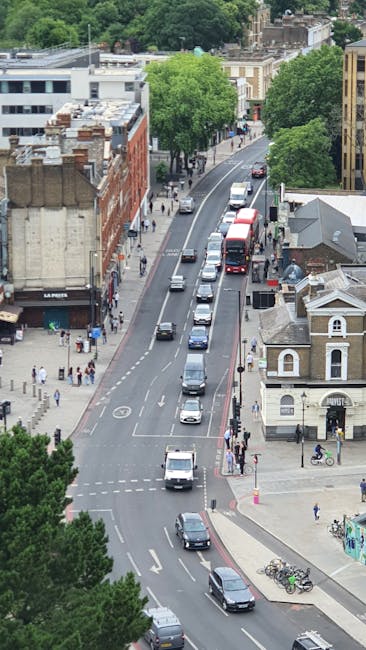
Putney is a district in the London Borough of Wandsworth, on the south bank of the River Thames. It has long-standing river connections, visible in the boat clubs, the ferry link at Putney Pier and the annual University Boat Race starting point near Putney Bridge. The area grew from a riverside settlement into a well-known London suburb with a mix of residential streets, transport links and local centres. Putney High Street forms one of its principal commercial corridors, while nearby Putney Bridge and East Putney connect the district to wider parts of south-west London. The landscape is shaped by the river, with views across to Fulham and open stretches of embankment that contrast with busier roads inland. Putney Heath adds a notable open space to the district’s character, providing a broad green area associated with older commons and long use for recreation. The architecture is mixed too: there are Victorian and Edwardian terraces, later apartment buildings, older parish landmarks and contemporary developments. The parish church of St Mary’s is historically significant, and the surrounding streets preserve a sense of continuity with the district’s earlier identity. Putney also has a cultural life that includes local pubs, sports clubs, riverside walking routes and everyday commuter movement through the station and road network. Taken together, these features make it a place where the river, the commons, the high street and the transport connections all play a visible part in its character.
When the move involves more than transport
Some customers need a van service for a simple move, while others need a more joined-up approach that combines loading, carrying, packing and perhaps multiple drop-off points. That is where it helps to decide whether the job is mainly about moving objects safely or whether it also involves clearing, sorting and re-setting a space. Our man with van page is useful if you want a straightforward description of the core service and the kind of jobs it suits.
If your move is more complicated, it may also help to think about the order in which things should leave the property. Small items can be grouped first, then furniture, then heavier pieces that need a clearer route through the building. That basic sequence reduces avoidable handling and keeps the day more orderly. For wider comparison across different move types, the movers page can be read as part of your decision-making rather than as a separate promise of a particular package.
We aim to keep the service practical, not theatrical. That means explaining what the job involves, identifying any access limits and giving enough information for a sensible quotation. Good planning starts with a clear description of the load and the route. If you have that ready, you are usually close to the point where a quotation can be prepared properly.
Choosing the right van-based moving option
 There are several ways to describe a small or medium move, and the wording matters because it often reflects the scale of the job. A van-based service can be suitable for local household transport, furniture collection, student moves, light office relocation or mixed items that do not require a full removals team. When customers are comparing similar pages, the terms on the website can help them identify the best fit without overcomplicating the choice. For another service description with a similar focus, see man with van removal.
Some jobs are better described as a removals van task, while others are about a collection and delivery with a bit of loading support. The practical difference lies in the amount of labour, the volume of items and how much care is needed during handling. If you are reviewing vehicle-based options, removals van is a useful page for understanding that transport-led side of the work.
The key is not to oversell the job or understate it. A precise description helps avoid mismatches between what is needed and what is booked. For example, a single heavy item and a set of boxed belongings may need different handling, even if both travel in the same vehicle. If you need to get a quote, keeping those distinctions clear will make the response more relevant.
Quotation details and what helps most
The most useful quotation details are usually simple: what needs moving, where it is going, and whether there are access points that affect loading or unloading. If there are stairs, parking restrictions, a long carry, delicate items or dismantling requirements, it is worth mentioning them at the outset. That information shapes the time and handling involved more accurately than a vague description ever could. For service and pricing comparisons, pricing and quotes is the obvious page to check alongside your enquiry.
It is also helpful to know whether the job is one collection or multiple stops, whether the items are ready to travel, and whether any part of the move needs extra protection. These details do not need to be written out in a long message; a compact list is fine. If you prefer to understand the business side of the service before sending an enquiry, about us gives a general overview without needing to make assumptions about the move itself.
Once you have the basics together, the next step is straightforward. Ask for a quotation, share the item list and state the date or time window if you already have one in mind. That gives the move a practical starting point and makes it easier to judge the right level of support.
Contacting us with a clear moving brief
 A well-prepared enquiry usually leads to a better match between the job and the service. You do not need a full inventory to begin, but the more useful the description, the easier it is to identify whether the work is a simple van job, a furniture collection, a small home move or something a little more involved. If you want to see how the business handles formal requests and service terms, contact us is the most relevant destination for the final step.
It can help to include approximate sizes, any bulky or fragile pieces and whether items need to be moved from an upper floor or a storage unit. Mentioning these things once is enough; there is no need to repeat them in several messages. The aim is simply to give enough context for a useful response and a sensible arrangement. Where you want to look at policies that sit behind the service, the terms and conditions page provides the formal framework.
If your move is ready to schedule, keep the next message short and practical. Request your quotation now with the collection point, delivery point and the main items listed clearly, and the rest can follow from there.