Upper Richmond Road moves in Putney: narrow-street tips
Posted on 07/05/2026
Upper Richmond Road Moves in Putney: Narrow-Street Tips for a Smoother Moving Day
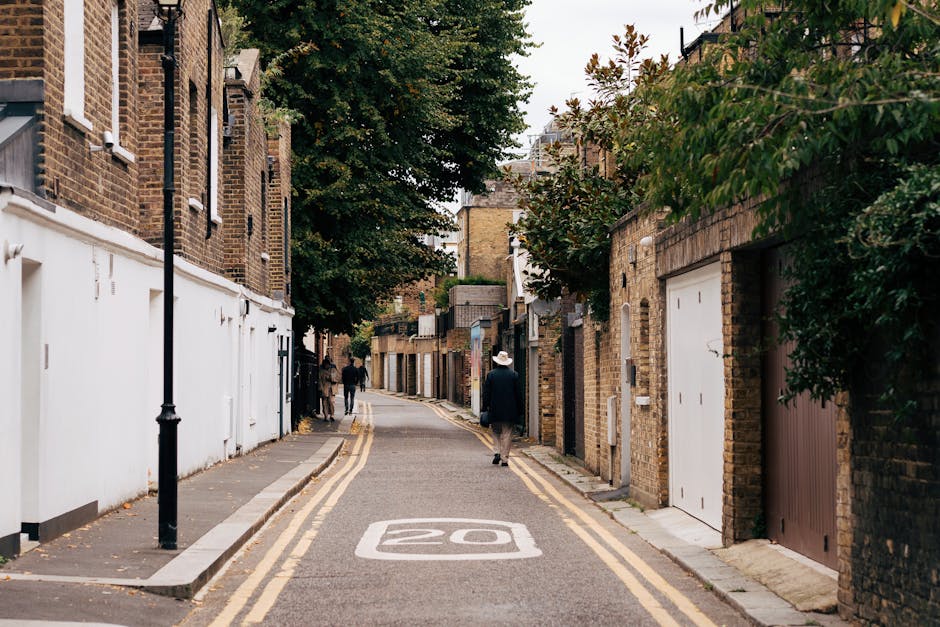
Moving on Upper Richmond Road can feel straightforward on paper, then suddenly a bit fiddly once the van arrives and the street is busy, the parking is tight, and everyone is trying to get on with their day. That is the reality of many Putney moves. Narrow roads, parked cars, short loading windows, and shared access all change how a move should be planned.
If you are preparing for Upper Richmond Road moves in Putney: narrow-street tips is probably exactly what you need: practical advice for loading safely, reducing delays, avoiding awkward parking problems, and keeping the whole move calm enough that you can actually breathe. Truth be told, a good plan matters more than brute force on streets like these.
This guide brings together the small things that make a big difference. We will look at how narrow-street moves work, what to expect on the day, what to do before the van turns up, and where people often trip themselves up. You will also find a checklist, a comparison table, and a realistic example from a typical Putney move. If you are also comparing service options, it may help to glance at the local removal services overview or the details for man with a van in Putney while you plan.
Why Upper Richmond Road moves in Putney: narrow-street tips Matters
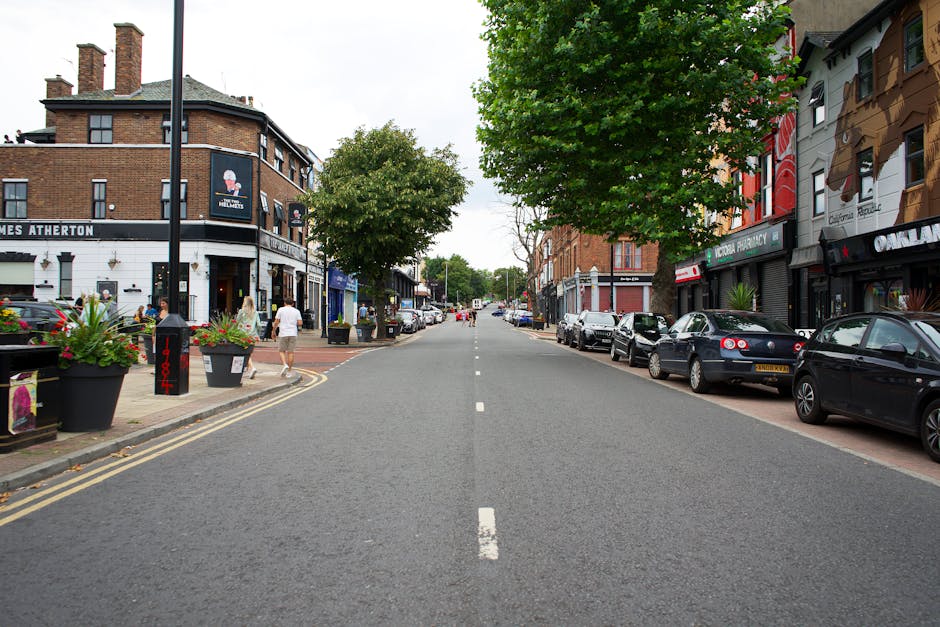
Upper Richmond Road is a key Putney route, which means it sees a constant mix of traffic, deliveries, cyclists, buses, and the usual London stop-start rhythm. That busy setting is exactly why moving here is different from a move on a wide suburban street. Even a short distance from the front door to the van can become a mini logistics problem if the road is tight, parking is limited, or access is blocked by another vehicle.
Narrow-street moving matters because it affects three things at once: time, safety, and stress. The move can still be simple, but only if the route, van size, and loading plan match the space available. Otherwise you end up with longer carry distances, more lifting, and a lot of unnecessary back-and-forth. And let's face it, nobody wants to drag a sofa round the corner because the original loading spot disappeared ten minutes before arrival.
In Putney, this often shows up around flats, converted houses, and mixed-use buildings where front access is shared or temporary. That is why many people look for local help from pages like flat removals in Putney or house removals in Putney when a property is near a busy road. The better the plan, the less the street dictates your day.
Key point: on a narrow street, the move is not just about carrying items. It is about managing space, timing, access, and loading order so the road works with you rather than against you.
How Upper Richmond Road moves in Putney: narrow-street tips Works
A narrow-street move usually starts well before moving day. The best local moves are planned around where the van can stop, how long it can stay there, and how far items need to be carried. On Upper Richmond Road, that usually means thinking in short, practical steps rather than assuming the van will park right outside the door for as long as you need.
Here is the basic flow most experienced movers follow:
- Check the property access. Look at the width of the road, any bends, resident parking, and whether there is a safe place to load.
- Choose the right vehicle. A smaller van can be easier on tight roads, but only if it still fits the load efficiently. Too small means extra trips; too large can make parking harder.
- Plan the loading order. Large items, fragile items, and anything needed first should be ready in a logical sequence.
- Protect the items and the property. Door frames, banisters, floors, and furniture should be protected against scuffs and knocks.
- Move during the best window. Off-peak timing often helps with traffic, noise, and access, especially if the road is busy.
In practical terms, the narrow-street part changes the whole job. Instead of "park and load", it becomes "park safely, load efficiently, and keep moving without blocking the road." Simple enough in theory, but the details matter. If you need packaging support, packing and boxes in Putney can help you organise items so they are ready to go in the right order.
For busier or more time-sensitive jobs, some people also look at same-day removals in Putney, but even then, a narrow street still needs a calm plan. Speed without structure usually just creates more faff.
Key Benefits and Practical Advantages
Good narrow-street planning does more than reduce headaches. It can make the whole move cleaner, safer, and surprisingly quicker. That sounds odd, but it is true: a well-organised route often beats a rushed one every time.
- Less carrying distance: the shorter the walk between door and van, the less fatigue and the lower the risk of damage.
- Fewer delays: if the access point is planned, you do not waste time repositioning the van or waiting for a gap in traffic.
- Lower damage risk: careful manoeuvring is much easier when everyone knows the route and the loading sequence.
- Better parking decisions: choosing the right size van and stopping point can stop the move from becoming awkward before it starts.
- Less disruption to neighbours: a tidy, efficient move is simply more considerate on a street where people are already squeezing past parked cars.
There is also a commercial advantage if you are comparing providers. A team that understands local roads can usually plan more efficiently, which helps keep the move on track. If you are weighing up services, the local removal companies in Putney page can be a useful place to compare how full-service support differs from a simpler van-and-driver option.
For some moves, especially those involving bulky items, a service like furniture removals in Putney can be a smarter choice than trying to improvise with friends and a borrowed trolley. Narrow streets tend to expose weak planning fast. Very fast.
Who This Is For and When It Makes Sense
This guide is most useful if you are moving to, from, or within Putney and your property sits on or near a road where parking is tight. That includes Upper Richmond Road itself, side streets branching off it, and nearby flats or converted buildings with limited access.
You will especially benefit from these narrow-street tips if you are:
- moving from a flat with no driveway or private loading bay
- handling a house move where the road is busy for much of the day
- moving a student flat, studio, or shared property with lots of boxes but not much space
- moving furniture that needs careful handling through a tight entrance
- trying to keep the move low-stress while working to a time limit
It also makes sense if you are moving office equipment, which can be trickier than people expect. Squeezing desks, monitors, filing, and chairs through a narrow entrance is one thing; doing it while keeping a public road clear is another. For that sort of move, the local office removals in Putney option is worth a look.
If you are a student, temporary resident, or first-time mover, this kind of planning matters even more. Smaller loads can still become awkward on a tight road if they are not packed correctly. The guide for student removals in Putney fits that situation well.
Step-by-Step Guidance
Here is the practical version, stripped back to the bits that actually help on moving day.
1. Walk the route before the van arrives
Do a slow walk from the front door to the nearest realistic stopping point. Check for low branches, bollards, steps, tight corners, uneven pavements, and the places where parked cars usually narrow the road. It takes five minutes, maybe less, and it saves a lot of guesswork.
2. Decide where loading can happen safely
Do not assume the obvious spot is the best one. Sometimes loading a little further away, but in a safer or more stable place, is actually faster overall. If the road is especially busy, that extra 20 metres can be the difference between a calm move and a scramble.
3. Pack by weight and fragility
Put heavy items in smaller boxes and keep them separate from fragile pieces. On narrow streets, the carry can involve turns, kerbs, and brief stops, so balanced packing matters. A badly packed box does not just annoy you; it slows everybody down.
4. Prepare the first load strategically
Anything large, bulky, or awkward should be ready first, followed by stacked boxes, then smaller items, and finally the bits you may need immediately at the other end. That order may shift depending on your property, but the principle stays the same: less shuffling, more flow.
5. Use enough hands for the right items
Heavy furniture or awkward objects are best moved by people who know how to handle them safely. If a piano, large wardrobe, or unusually delicate item is involved, specialist support may be the sensible call. You do not want to "just wing it" with something that can smash a floorboard or a finger.
6. Keep the hallway and entrance clear
A narrow street move is already tight. A cluttered entrance makes it worse. Keep coats, bags, shoes, recycling, and random last-minute bits out of the way. It sounds basic because it is basic, and basic works.
7. Confirm timing and contact details
Make sure everyone knows the collection time, the phone number to use, and who is making the key decisions on the day. A five-minute delay is manageable; a long chain of "where are you?" messages is not.
If you want a broader picture of moving support, the local removals in Putney page is useful for understanding the range of moving help available. For smaller or more flexible moves, man and van in Putney may suit better.
Expert Tips for Better Results
These are the little things that often separate a smooth move from a tiring one.
- Time the move away from the rush hour where possible. Morning and late afternoon traffic can make Upper Richmond Road feel much tighter than it looks on a map.
- Keep a "quick access" box aside. Keys, charging cables, basic tools, tea bags, kettle bits, and important documents should not disappear under a pile of bedding.
- Use blankets or covers for corners and edges. Stairwells and door frames are the usual victims, not the furniture.
- Reserve mental space for the unexpected. A neighbour may be unloading groceries, a car may block the ideal stop, or the lift may be busy. That is normal.
- Label boxes by room and priority. Not just "kitchen" but "kitchen - first open" or "kitchen - storage". It makes a real difference at the other end.
One small but useful trick: take photos of any tight entrance, awkward parking spot, or item that looks especially difficult to move. Those images can help plan the job before anyone is standing on the pavement scratching their head. It is a tiny habit, but it helps a lot.
For people moving out of a flat or into one, the local page for flat removals is a handy related resource. And if you need to put items aside temporarily, storage in Putney can take the pressure off a tight transition.
Common Mistakes to Avoid
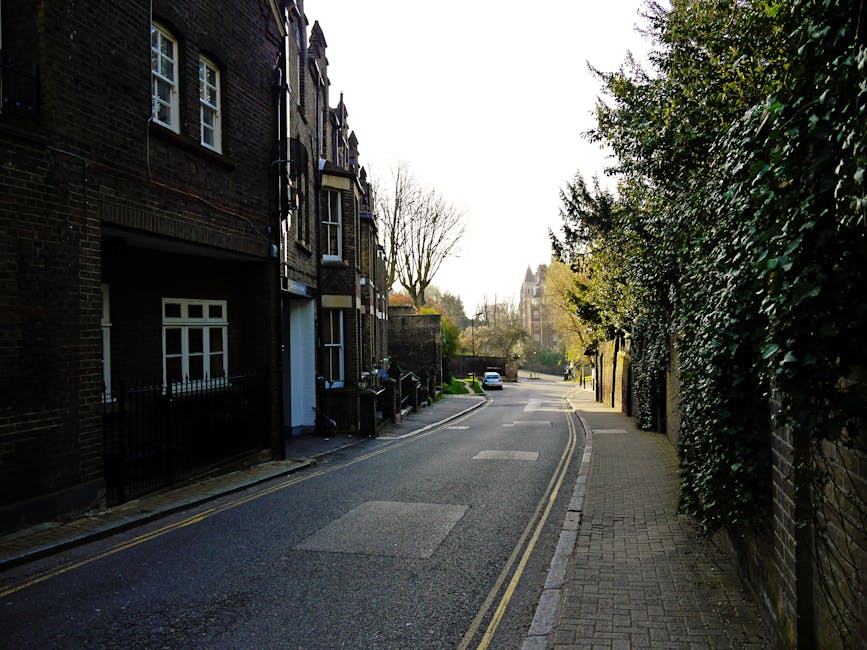
Most moving problems on narrow roads come from the same few mistakes. Fortunately, they are avoidable.
- Using the wrong vehicle size. Too big is hard to park; too small means extra journeys.
- Ignoring parking restrictions or loading limits. Even a short stop can become a problem if the timing is wrong.
- Leaving packing to the last minute. Last-minute boxes are usually heavier, weaker, and more awkward than planned ones.
- Forgetting the carry route. A clear parking spot is no use if the path to the door is blocked by bins, bikes, or garden furniture.
- Trying to move fragile or valuable items without enough protection. One knock on a wall can undo a lot of effort.
- Assuming the street will be quiet. On a road like Upper Richmond Road, traffic can change very quickly.
Another common one? People underestimate how long a simple two-room move takes when the access is awkward. The items are not necessarily the problem. The street is. That distinction matters more than people think.
Tools, Resources and Recommendations
You do not need a complicated toolkit for a narrow-street move, but a few sensible items can make life easier.
| Tool or resource | Why it helps | Best for |
|---|---|---|
| Furniture blankets | Protects items and doorway edges from bumps | Wardrobes, tables, mirrors |
| Trolleys or sack trucks | Reduces carrying strain for heavier boxes | Boxes, appliances, stacked items |
| Strong tape and labels | Keeps packing secure and easy to identify | General household moves |
| Floor and corner protection | Helps prevent scuffs in hallways and entrance areas | Flats, shared buildings, older properties |
| Local moving support | Better planning for roads, access and timings | Busy Putney streets |
For many households, the real win is not fancy kit. It is using the right kind of help. If you want a broader look at support options, you can review removal services in Putney or the more general removal van in Putney page to see what best fits your move.
If you have bulky or awkward pieces, such as a dining table or a large wardrobe, the dedicated furniture removals service can be especially practical. For more delicate or specialist items, piano removals in Putney is the safer route. No prize for trying to be a hero with a grand piano, really.
Law, Compliance, Standards, or Best Practice
Moving on a narrow road is not just a practical issue. It also touches on local parking rules, considerate loading, health and safety, and in some cases building management requirements. Exact rules can vary by street, so it is sensible to check local signage and any instructions from the property owner, managing agent, or council before the move.
In day-to-day terms, good practice usually means:
- parking only where it is lawful and safe
- keeping access clear for pedestrians and neighbours where possible
- avoiding unnecessary obstruction of the road
- using suitable lifting methods for heavy or awkward items
- taking care with glass, sharp edges, and fragile furniture
That is where a company's safety approach matters. If you want reassurance around process and handling, look at the local health and safety policy and insurance and safety pages. They give a better sense of how a professional team should approach risk, care, and accountability.
For customers comparing providers, trust signals also matter. Clear terms and conditions, straightforward pricing and quotes, and a transparent contact page all help reduce confusion before moving day arrives.
Options, Methods, or Comparison Table
Different moves need different approaches. There is no one-size-fits-all answer, even on the same road. The right choice depends on load size, access, timing, and how much help you want.
| Method | Best for | Pros | Trade-offs |
|---|---|---|---|
| Man and van | Smaller moves, flats, flexible jobs | Flexible, often efficient on tight streets | May need more preparation from the customer |
| Full removals service | House moves, larger loads, less time on your hands | More hands, more planning support | Can be more than you need for a small move |
| DIY with hired van | Very budget-conscious moves | Control over timing | Parking, lifting, and route planning all fall on you |
| Split move with storage | Staggered dates or access delays | Flexible if completion timing is messy | Requires extra coordination |
For many Putney residents, a small or medium van with careful loading is the sweet spot. That is especially true if the road is narrow and the property access is awkward. If the move is more complex, local house removals in Putney may be a better fit. If you need to understand how local living patterns affect moving choices, the article on what locals say about Putney living gives useful context too.
Case Study or Real-World Example
Here is a realistic example from a typical Putney-style move, without dressing it up too much.
A couple moved out of a first-floor flat just off Upper Richmond Road. The street was busy early in the day, and there was no private driveway. Their original plan was to have a large van stop right outside, load everything in one go, and be done before lunch. Nice idea. Not quite the real world.
After checking the street layout, they changed the plan. They packed the larger items first, grouped the boxes by room, and arranged the van stop a little further along where the road widened slightly. That meant a shorter but safer carrying route and less pressure while other traffic passed. They also set aside a small box for essentials so they were not searching through labelled cardboard at the new place.
The result was not dramatic, but it was smooth. No rushed shouting, no awkward last-minute repacking, and no panic about the doorway. The move still took effort, of course. Moving always does. But it felt manageable because the access problem had been handled before the first box was lifted.
That is the real lesson here: narrow streets rarely need perfection, just a decent plan and a little flexibility. The rest usually follows.
Practical Checklist
Use this before moving day. It is simple, but it covers the stuff people forget when they are busy.
- Measure large items and check doorway widths
- Confirm the moving time and any access constraints
- Check parking options and loading restrictions near Upper Richmond Road
- Decide where the van is most likely to stop safely
- Pack fragile items separately and label them clearly
- Prepare a first-day essentials box
- Protect floors, corners, and door frames where needed
- Keep keys, documents, and chargers easy to reach
- Let neighbours or building management know if appropriate
- Have contact details ready in case timings shift
Quick summary: the smoother the access plan, the easier the whole move becomes. On a narrow Putney street, that is the difference between a tidy job and a day that feels longer than it should.
If you are still comparing options or want to talk through a specific route, property type, or timing issue, it can help to start with the local team's about us page and then reach out through the contact form.
Conclusion
Upper Richmond Road moves in Putney are rarely difficult because of the items themselves. More often, the challenge is the street: tight access, limited parking, real traffic, and the need to keep everything safe and organised in a smaller space than you might like. Once you accept that upfront, the rest gets easier.
The best narrow-street moving tips are usually the least glamorous ones: plan the stop, pack in the right order, choose the right vehicle, protect the building, and leave a little room for the unexpected. That small bit of preparation can save a lot of time and a fair amount of stress.
Get a free quote today and see how much you can save.
If you are moving soon, take a breath, walk the route once more, and trust the plan you have built. A careful move on a busy Putney street is absolutely doable. One step at a time.