Hidden removal fees in Putney: what quotes should show
Posted on 02/06/2026
If you have ever compared removal quotes and thought, "Hang on, why does this one look so much cheaper?" you are not alone. Hidden removal fees in Putney are a real frustration, especially when you are already juggling keys, boxes, lift access, parking, and a moving date that seems to be racing towards you. The good news is that a proper quote should make the cost picture much clearer. It should show what is included, what might cost extra, and where the boundaries are. No guesswork. No awkward surprises on moving day.
This guide explains what a removal quote should show, how to spot vague pricing, and which charges are fair, normal, or worth questioning. It also gives you a practical way to compare providers in Putney without getting lost in the small print. If you want to understand local moving options more broadly, the pricing and quotes information and the wider services overview are useful starting points.
Let's face it: most people do not want a lecture about removals. They want a clean answer to a simple question: what should the quote actually show? That is exactly what this article covers.
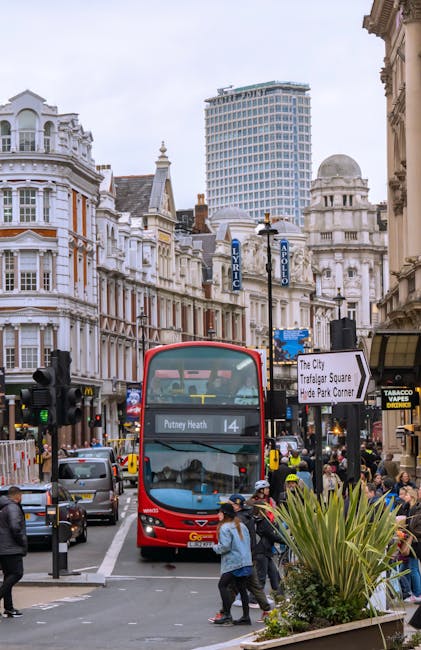
Why Hidden removal fees in Putney: what quotes should show Matters
Hidden removal fees matter because they distort decision-making. A quote that looks competitive at first glance can become expensive once the extras appear. The result is stress, budget creep, and that slightly sour feeling when a mover explains an "unexpected" charge on the day. Not ideal, especially when you are already standing on a pavement in SW15 waiting for a van and trying to keep your neighbour happy about access.
In Putney, this issue can be even more noticeable because many moves involve tight streets, controlled parking, flats with shared entrances, or short loading windows. A quote that fails to explain those conditions properly can miss important costs. A transparent estimate should make those local realities visible. It should not hide behind broad wording like "subject to survey" without telling you what the survey is likely to change.
There is also a trust angle. Clear pricing tells you a lot about how a company works. If the quote is detailed, readable, and specific, it usually means the provider has thought through the move properly. If it is vague, full of tiny print, or strangely low, you should pause. Why take the risk? A moving day is a terrible time to discover that stair carry, waiting time, or wrapping materials were never included.
A good quote is not just a price. It is a map of the move, showing what is covered, what is optional, and what could change the final bill.
That is why people comparing removal companies in Putney should look beyond the headline number. The cheapest option is rarely the cheapest in practice. Sometimes it is just the least honest upfront. Harsh, maybe, but true enough.
How Hidden removal fees in Putney: what quotes should show Works
Most removal quotes work in one of three ways: fixed price, estimated price, or hourly rate. Each can be fine, provided the rules are clear. The problem starts when the quote does not define the scope. If it is based on van size, distance, labour time, access conditions, or packing support, those assumptions should be visible. If they are not, hidden fees have room to sneak in.
Here is the basic flow. You ask for a quote. The company gathers details about what you are moving, where from and to, whether there are stairs or lifts, if parking is straightforward, and whether you need boxes, packing, dismantling, or storage. Then they price the job based on those details. If the job changes later, the quote should explain how the price changes too. Simple in theory. Less simple in practice, of course.
A quote should ideally separate the core removal cost from extras. Core costs might include vehicle use, driver time, and standard loading and unloading. Extras could include waiting time, additional porters, long carries, furniture disassembly, specialist handling, parking fees, or protective materials. When these are listed separately, you can compare like for like. When they are bundled into a mysterious line called "additional service charge", well, that is where trouble starts.
For local moves, this clarity matters whether you are arranging man and van support, a larger removal van, or a full house move. The vehicle itself is only one part of the cost. Labour, timing, access, and service level all matter too.
In plain English, a strong quote should answer four questions:
- What is included in the base price?
- What could cost extra?
- What conditions would trigger those extras?
- How will I be told before the cost changes?
If those answers are missing, keep asking. Do not be shy. It is your money.
Key Benefits and Practical Advantages
The obvious benefit of a transparent quote is cost control. You can budget properly, compare providers fairly, and avoid last-minute awkwardness. But the practical advantages go further than that. A detailed quote also helps you plan your moving day more efficiently, because it forces everyone to think through the job in advance.
For example, if the quote clearly states that access is via a third-floor walk-up, you can prepare for the labour involved. If it includes packing materials, you will know whether you still need to order boxes. If it explains waiting-time charges, you can make sure your keys, completion timings, and parking arrangements are sorted. That little bit of clarity can save a lot of chaos later.
There is another quiet benefit: confidence. People feel calmer when they know the rules. You will notice this on moving day. The team turns up, there is a plan, and nobody is arguing over whether the mattress bag was included. That calm atmosphere is worth something. Truth be told, it can be worth quite a lot.
- Better budgeting: you can estimate the true cost rather than the headline figure.
- Cleaner comparisons: quotes become easier to assess side by side.
- Fewer disputes: there is less room for misunderstanding.
- Smoother scheduling: you can prepare for access, parking, and time limits.
- More trust: clear pricing usually signals a more professional service.
For people dealing with bigger jobs, such as house removals in Putney or flat removals, this becomes even more important. The more moving parts there are, the more ways a cost can drift if the quote is thin.
A useful way to think about it: the quote should make the move feel smaller, not bigger. If reading it gives you more questions than answers, something is off.
Who This Is For and When It Makes Sense
This guidance is for anyone planning a move in Putney who wants to avoid surprise charges. That includes homeowners, renters, students, office managers, landlords, and anyone arranging a partial move or storage transfer. It is especially useful if you are comparing several providers and need a fair way to tell whether one quote is genuinely better or simply less transparent.
It also makes sense if your move has a few complications. Think restricted parking, narrow streets, basement access, top-floor flats, heavy furniture, or a same-day booking. Those details can change the pricing structure quickly. In Putney, where many routes are busy and access can be awkward at certain times of day, that matters more than people expect.
Students moving into shared accommodation often focus on the total number at the bottom and forget to ask what happens if the van cannot park close by. Office moves are similar. People assume the quote covers all labour, then discover that moving filing cabinets or multiple workstations is priced separately. It is a common story. A bit boring, but common.
This topic is also relevant for anyone arranging specialist items. If you are moving a piano, a fragile antique, or bulky furniture, the quote should reflect the handling requirements. You can see how specialist work is approached on pages like piano removals in Putney and furniture removals in Putney.
In short, if you care about certainty, this is for you. And if you do not care about certainty yet, you probably will after the first unexpected surcharge.
Step-by-Step Guidance
Here is a practical way to review a removal quote without getting lost in the jargon.
- Check what the base price covers. Look for the vehicle, labour, mileage, and whether loading and unloading are included.
- Read the assumptions. Is the quote based on ground-floor access, standard parking, or a specific completion time?
- Look for extra charges. Parking, waiting, stairs, long carries, dismantling, wrapping, and bulky items are the usual suspects.
- Check whether the price is fixed or estimated. A fixed price should say what would change it. An estimate should explain the range.
- Ask about minimum charges. Some smaller jobs can look cheap until minimum call-out rules apply.
- Confirm packing support. If you need boxes, tape, or help wrapping furniture, make sure that is explicit. The packing and boxes service is worth reviewing if you want that layer of help.
- Ask how access problems are handled. This is where most "surprises" live.
- Get the timing in writing. Start time, arrival window, and any waiting-time policy should be visible.
- Check insurance and liability information. Do not assume every risk is covered in the same way.
- Compare total value, not just price. The best quote is the one that is clear, workable, and fair.
A tiny but useful tip: if you can't explain the quote to someone else in 30 seconds, it probably needs more detail. That sounds obvious, yet it catches a surprising number of problems.
Also, keep your move details honest. If there are three flights of stairs, say so. If parking is awkward, say so. Quotes work best when the facts are real, not optimistic.
Expert Tips for Better Results
One of the most effective ways to avoid hidden fees is to give accurate information right from the start. A lot of pricing friction happens because the customer underestimates access issues, or forgets about an awkward sofa, or assumes the move will take half as long as it really will. To be fair, most people are busy and do not think like removal planners. That is normal.
Here are the habits that usually lead to better quotes:
- Send photos or a room list. It gives a clearer picture than a vague description.
- Flag awkward items early. Wardrobes, large mirrors, pianos, and glass tables need special attention.
- Mention access honestly. Narrow hallways, locked gates, or no lift should be stated upfront.
- Ask for inclusions in writing. A brief written quote is far better than a verbal "don't worry about it".
- Check if disposal or recycling is included. If you are clearing items, ask whether there is a separate charge. The recycling and sustainability information is a helpful reference point.
- Build in time for the unexpected. Moves always take longer than the fantasy version in your head.
Another useful habit is to ask what would make the quote change. That one question is worth its weight in cardboard boxes. If the answer is vague, push for specifics. Good movers do not mind that. In fact, they usually welcome it.
If you need a broader sense of local service choices, the removal services in Putney page can help you understand what is typically offered and how different service levels compare.

Common Mistakes to Avoid
Most quote problems are preventable. The trouble is, people tend to make the same few mistakes when they are busy. Here are the big ones.
- Choosing only by headline price. The cheapest quote can hide the highest extras.
- Not reading the assumptions. This is where the fine print quietly does its work.
- Forgetting about access. Stairs, parking, and loading distance are not small details.
- Assuming packing is included. Sometimes it is. Sometimes absolutely not.
- Ignoring time-based charges. Waiting, delays, and extended labour can alter the total.
- Not asking about cancellation or amendment rules. Plans shift. That should be dealt with clearly.
There is also a psychological mistake: people sometimes feel awkward asking too many questions. Please don't. A quote is a commercial document, not a personality test. If a company takes offence because you want clarity, that tells you plenty.
If you are moving under time pressure, perhaps after completion day or between tenancies, the risk of hidden fees rises because everyone is rushing. That is when a service like same day removals in Putney can be useful, but the quote still needs to be explicit. Speed should not mean fog.
Tools, Resources and Recommendations
You do not need fancy software to manage removal costs, but a few simple tools help a lot. A notes app, a basic spreadsheet, or even a printed checklist can keep things tidy. The real goal is to compare quotes using the same facts each time.
Here is what we recommend keeping together before you request prices:
- Room-by-room inventory
- Photographs of bulky or fragile items
- Current and new address details
- Floor level and lift access information
- Parking restrictions or loading notes
- Preferred moving date and time window
- Any dismantling, packing, or storage needs
For some moves, storage becomes part of the cost picture too. If you are between properties or clearing a flat gradually, the storage options in Putney can help you think about whether temporary storage should be included in the quote.
For local context and planning around the area, you may also find these pages useful: moving to Putney High Street, the best times to move in SW15, and tips for narrow streets around Upper Richmond Road. They add practical local context that can influence access and timing.
One more recommendation: keep all quote emails in one folder. Sounds dull. Saves you hours.
Law, Compliance, Standards, or Best Practice
This section is less about legal drama and more about sensible expectations. In the UK, removal companies should present pricing clearly enough that customers can understand what they are paying for. If a quote is misleading, incomplete, or inconsistent with the service delivered, that is a red flag. The exact legal position can depend on the wording used and the circumstances, so it is always better to read the terms carefully and ask questions before booking.
Best practice in removals usually includes:
- clear written quotations
- defined inclusions and exclusions
- transparent cancellation or amendment rules
- reasonable explanations for extra labour or access charges
- plain language, not jargon-heavy smoke and mirrors
It is also sensible to review the company's policy pages before booking. The details on terms and conditions, insurance and safety, health and safety policy, and payment and security can help you understand how the business operates.
If you ever feel a quote or charge has not been handled fairly, a formal complaints route can be useful. That is one reason a clear complaints procedure matters. It shows there is a process if something goes wrong, rather than a shrug and a disappearing act.
For customers with specific access needs, it can also help to check the accessibility statement. Small things, like how information is provided or how communication is handled, can matter more than people think.
Options, Methods, or Comparison Table
Not every quote is built the same way. Here is a simple comparison to help you judge what you are looking at.
| Quote style | What it usually means | Pros | Watch out for |
|---|---|---|---|
| Fixed price | A set total based on agreed job details | Easy to budget, clear expectations | Needs defined assumptions; extras should still be listed |
| Estimated price | A likely cost range based on current information | Flexible for complex or uncertain moves | Can rise if access or volume is different from what was described |
| Hourly rate | You pay for time plus any agreed extras | Works for smaller or simple jobs | Can become expensive if delays, parking, or loading issues appear |
| Survey-based quote | Price depends on a pre-move survey or detailed inventory | Often more accurate for bigger jobs | Needs a clear explanation of what the survey changes |
For many Putney customers, a well-written fixed quote is the easiest route. But for larger or more complicated moves, a survey-based approach can be more honest, because it reduces the chance of guesswork. The method matters less than the clarity. That is the real point.
If you are still deciding between a smaller vehicle and a full service, comparing man with a van in Putney with a more comprehensive move can help you match the quote style to the actual job. Bigger does not always mean better, but under-scoped can definitely mean costlier.
Case Study or Real-World Example
Here is a simple local example. A couple moving from a second-floor flat near central Putney asked for three quotes. The first was very cheap, but it only mentioned "van and driver". No packing help, no stair carry detail, no note on waiting time, no mention of parking. The second quote was slightly higher but clearly listed two movers, standard protective covers, and a time allowance for access. The third was somewhere in the middle, but it buried extra charges in a paragraph of terms that nobody could really decode on first reading.
On the day, the first company would likely have added costs for stairs and time. The second would have been easier to manage, because the conditions were already priced. The third might have worked out fine, but the customer would have spent the day wondering what they had missed. And that is the thing: uncertainty has a cost, even before the invoice arrives.
In cases like this, the better quote is not always the cheapest, but it is often the one that most closely resembles the real move. That is a useful rule of thumb. Not perfect, but useful.
For people moving into or out of flats, the details on flat removals are especially relevant because stair access, lift availability, and loading distance can all affect the final price. If you are moving furniture specifically, the dedicated furniture removals service can also help clarify what should be included.
Practical Checklist
Use this checklist before you accept any removal quote in Putney:
- Do I understand what the base price includes?
- Are access conditions clearly stated?
- Are extra charges listed in plain language?
- Do I know whether parking, waiting, or stairs cost more?
- Is packing help included or separate?
- Have I disclosed all bulky, fragile, or specialist items?
- Is the quote fixed, estimated, or hourly?
- Do I know how changes to the job will be priced?
- Have I checked the company's terms and insurance information?
- Would I feel comfortable explaining this quote to someone else?
If you can tick most of these boxes, you are in a much stronger position. If not, ask again. It really is fine to do that. Better a slightly longer email thread than a surprise bill while you are carrying boxes past the front door.
And if the move is complicated or time-sensitive, it may be worth reviewing the wider removals in Putney information to understand the scope of service before you commit.
Conclusion
Hidden removal fees are usually not about one dramatic scam. More often, they are the result of vague quoting, incomplete information, or assumptions that nobody checked properly. The best defence is a quote that spells out what is included, what is excluded, and what could change the final price. Simple, clear, and preferably in writing.
If you are moving in Putney, that clarity is worth holding onto. It keeps your budget steadier, your schedule calmer, and your moving day far less annoying than it needs to be. A good removal quote should feel practical, not mysterious. If it does not, keep looking. Your future self will be glad you did.
Get a free quote today and see how much you can save.
For a little more background on the company and its approach, you can also read about us before you book. And if you are ready to talk through a move, get in touch here.